Biggest Philips Baristina Buying Mistakes (And How to Avoid Them)
The Philips Baristina has emerged as one of the most intriguing entries in the domestic coffee machine market. By attempting to bridge the gap between the tactile experience of a manual espresso machine and the push-button simplicity of a capsule-based system, it occupies a unique niche. However, because it doesn't fit neatly into traditional categories, many consumers approach the purchase with incorrect assumptions. Whether it is misunderstanding the "swipe to brew" mechanism or failing to account for the specific maintenance requirements of a machine that grinds fresh beans internally, the potential for buyer's remorse is high if the research stage is rushed.
This article serves as a comprehensive guide to navigating the complexities of the Philips Baristina. We will explore the common pitfalls that lead to a suboptimal coffee experience, analyze the machine’s performance across various metrics, and provide a clear framework for deciding if this specific hybrid approach aligns with your lifestyle. Avoiding these mistakes isn't just about saving money; it is about ensuring that your morning routine remains a source of joy rather than a point of frustration.
The Identity Crisis: Misunderstanding What the Baristina Actually Is
The first and most significant mistake prospective buyers make is misclassifying the machine. The Philips Baristina is frequently marketed as a simplified espresso maker, but it is more accurately described as a "bean-to-cup" machine with a manual interface. Unlike a traditional bean-to-cup machine where the entire process happens behind a plastic housing, the Baristina requires the user to move a portafilter—the handle-based basket used in coffee shops—between different stations. One of the biggest mistakes is assuming this machine will provide the same "god shot" of espresso found in a high-end, semi-automatic Italian machine. It is designed for convenience and consistency, not for the infinite micro-adjustments of temperature, pressure, and flow rate that a professional barista might seek.
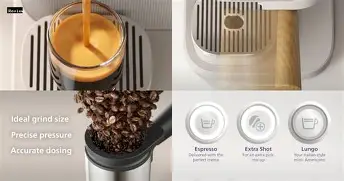
Conversely, many buyers coming from the world of Nespresso pods are surprised by the noise and the mess. While the Baristina is cleaner than a manual setup, it still involves loose coffee grounds and a mechanical grinder. If you are expecting the silent, sterile experience of dropping a plastic capsule into a slot, the tactile nature of the Baristina might feel like more work than you bargained for. Understanding that it is a hybrid meant for "active convenience" is the first step toward a successful purchase.
Detailed Product Analysis: Engineering for Simplicity
At the heart of the Philips Baristina is a pressurized brewing system designed to extract flavor from freshly ground beans with minimal user intervention. The machine features a built-in grinder with high-quality ceramic burrs, which are preferred in the industry for their heat resistance and durability. When you swipe the handle to the right, the machine automatically doses a specific amount of coffee into the portafilter and tamps it. A common mistake buyers make is neglecting to check the bean hopper capacity or the height of the machine. It is a sleek unit, but its vertical profile requires adequate clearance under kitchen cabinets to allow for bean refills.
The brewing pressure is set to approximately 16 bars, which ensures that even those who aren't experts at tamping can achieve a decent crema. One area where the machine excels is thermal stability. It uses a high-speed thermoblock that heats up in less than 60 seconds. However, buyers often overlook the fact that while the machine is fast, the portafilter itself stays cold unless you run a "blank shot" (hot water without coffee) through it first. Failing to preheat the portafilter is a classic mistake that leads to lukewarm espresso and a perceived lack of flavor intensity.
Grind Settings and Bean Sensitivity
The Baristina allows for some adjustment of the grind size, but it is not as granular as a dedicated espresso grinder. A frequent error is using oily, dark-roasted beans in the automatic grinder. Highly oily beans can stick to the ceramic burrs or the internal chute, leading to clogs over time. For the best lifespan and flavor, users should opt for medium or medium-dark roasts that appear matte rather than shiny. Ignoring the roast level is an electronics maintenance mistake that can lead to expensive repairs or a total mechanical failure of the grinding unit.
Common Buying Mistake #1: Overestimating the "One-Touch" Nature
Marketing materials often emphasize the "swipe" motion, making it look as simple as using a smartphone. The reality is that while the machine automates the hard parts—grinding and tamping—the user still needs to be present. You cannot start the machine from your bed via an app and expect a coffee to be waiting. You must physically move the handle, empty the used puck, and rinse the basket. Buyers who are looking for a fully automated office-style machine often find the manual interaction tedious after the novelty wears off. If your goal is zero-touch coffee, this is the wrong category of electronics for you.
Common Buying Mistake #2: Ignoring the Milk Component
Perhaps the biggest "hidden" mistake is not realizing that the standard Philips Baristina does not have a built-in steam wand. Unlike traditional espresso machines that feature a metal pipe for frothing milk, the Baristina is focused purely on the black coffee extraction. If you enjoy lattes or cappuccinos, you will need to purchase a separate milk frother. Many buyers unbox their machine only to realize they have no way to heat or texturize milk, leading to additional costs and more counter space being occupied by a second device. Assessing your beverage preferences—espresso/long black vs. milk-based drinks—is critical before finalizing the purchase.
Shop the latest Electronics picks on Amazon.
Browse Now →Common Buying Mistake #3: Failing to Account for Water Quality
As with all high-end kitchen electronics that involve heating water, scale is the enemy. Many buyers assume that if they use "clean" tap water, the machine will last forever. However, the internal thermoblock in the Baristina has narrow channels that can easily become restricted by calcium deposits. A common mistake is ignoring the "descale" light or using harsh vinegar instead of the manufacturer-approved descaling solution. Using external water filtration or a dedicated softening jug can significantly extend the life of the machine's electronic sensors and heating elements.
Pros and Cons of the Philips Baristina
- Pro: Freshness vs. Capsules — By using whole beans instead of pre-ground pods, the flavor profile is significantly fresher and more complex.
- Pro: Sustainability — There is no plastic or aluminum waste from capsules. The spent coffee pucks are 100% compostable, making it a "greener" choice for the environmentally conscious consumer.
- Pro: Speed — The start-up time is exceptionally fast, beating many traditional espresso machines that require 10-15 minutes to reach thermal equilibrium.
- Pro: Form Factor — It is one of the most stylish machines on the market, with a slim footprint that doesn't dominate the kitchen landscape.
- Con: Limited Customization — You cannot easily change the dose of coffee or the water temperature, which may frustrate "hobbyist" coffee drinkers.
- Con: No Integrated Milk Solution — The lack of a steam wand means an extra step and extra equipment for milk drinkers.
- Con: Noise — Like all machines with an integrated burr grinder, the noise level is substantial for about 10-15 seconds during the grinding phase.
- Con: Maintenance Intensity — The brew group and portafilter require more frequent rinsing and cleaning than a standard capsule machine.
Comparison: Baristina vs. Alternative Systems
To fully understand where the Baristina sits in the market, it is helpful to compare it against the systems it is trying to replace. This helps in identifying if your expectations align with the technological reality of the device.
| Feature | Philips Baristina | High-End Capsule Machine | Semi-Auto Espresso Machine |
|---|---|---|---|
| Coffee Source | Fresh Whole Beans | Proprietary Capsules | Freshly Ground / External Grinder |
| Ease of Use | High (Semi-Automated) | Very High (Push Button) | Moderate to Low (Requires Skill) |
| Waste Profile | Low (Loose Grounds) | High (Plastic/Alu Pods) | Low (Loose Grounds) |
| Maintenance | Moderate (Rinsing/Descaling) | Low | High (Backflushing/Tuning) |
| Average Shot Quality | Good (Consistent) | Average (Standardized) | Excellent (If Dialed In) |
| Initial Cost | Mid-Range | Low to Mid | High |
Buying Guide: Is the Baristina Right for You?
Choosing the right coffee electronics requires a honest assessment of your morning habits. Follow these steps to ensure you aren't making a hasty decision based on aesthetics alone.
Step 1: Evaluate Your Counter Space
Measure the depth and height of your designated coffee corner. The Philips Baristina is slim, but it is deep. You also need space to move the handle through its 180-degree arc (the swipe). If your kitchen is cramped, the mechanical movement of the handle might feel restricted.
Step 2: Calculate Your Long-Term Costs
While the initial purchase price of the Baristina might be higher than a budget pod machine, the cost per cup is vastly lower. High-quality coffee beans generally cost between $15 and $25 per pound, which can yield about 60 to 70 espressos. Contrast this with the cost of pods, which can be double or triple that price over the same volume. If you drink more than two cups a day, the Baristina usually pays for itself within the first year of ownership.
Step 3: Consider the Noise Factor
If you live in a small apartment with a light sleeper, the grinder noise is a factor. Most capsule machines are relatively quiet, making only a pumping sound. The Baristina has a high-torque motor for the ceramic burrs. It isn't louder than a standard blender, but it is a distinct, sharp sound that occurs every time you make a cup.
Step 4: Assess Your Interest in the Ritual
Do you enjoy the smell of fresh grounds? Do you like the feel of a heavy portafilter in your hand? The Baristina is for people who want the "theatre" of coffee making without the frustration of learning how to tamp properly or calibrate a grinder. If the ritual feels like a chore, stick to a fully automatic bean-to-cup machine or a pod-based system.
Real-World Use Case: The Busy Professional vs. the Enthusiast
Consider the "Busy Professional." They want a better cup than what they get at the gas station or the office pod machine, but they only have 5 minutes before their first Zoom call. For this user, the Baristina is a dream. The 60-second heat-up time and the automatic dosing mean they can have a fresh espresso in under two minutes total. The primary mistake they might make is neglecting the weekly cleaning of the brew head, which can lead to a bitter taste over time.
Discover deals on Electronics — updated daily.
Shop Amazon →Now consider the "Coffee Enthusiast." This person watches videos on extraction ratios and buys single-origin beans from local roasters. For them, the Baristina might be a mistake. They will likely find the fixed water temperature and pressurized basket limiting. They might try to "hack" the machine to get more control, which usually leads to disappointment. If you want to "play" with your coffee, you need a machine that offers manual control over pressure and flow.
Technical Lifespan and Electronic Reliability
One aspect often missed in buying guides is the reliability of the internal sensors. The Baristina uses an electronic sensor to detect when the portafilter is in the correct position. If the handle isn't locked in fully, the machine will not start. A common user error is forcing the handle when there are stray grounds on the rim of the basket, which can eventually misalign the sensor or damage the locking lugs. Treat the machine with a "firm but gentle" touch to ensure the electronics remain functional for the 5-7 year lifespan typical of these devices.
Furthermore, internal software handles the timing of the grind and the volume of the water. While user-updateable firmware is rare in this class of machine, the factory settings are tuned for a standard espresso (approx. 30-40ml) and a lungo (approx. 110ml). A mistake buyers make is trying to pull "triple shots" or extremely long coffees in one go, which can overheat the thermoblock and cause the thermal fuse to trip as a safety measure. It is always better to pull two separate shots if you need a larger volume of caffeine.
A Note on Aesthetics and Material Choices
The Baristina is available in various finishes, including some with sustainable accents like real wood on the handle or recycled plastic housings. One mistake is choosing a light-colored finish if you aren't prepared to wipe it down daily. Coffee oils and splashes are dark and staining. The matte black versions are much more forgiving, whereas the white or light-grey versions can start to look "tired" quickly if coffee stains are allowed to sit on the porous plastic surfaces.
Conclusion
The Philips Baristina is a remarkable piece of engineering that addresses a very specific problem: how to get the taste of fresh beans without the steep learning curve of professional equipment. Avoiding the biggest buying mistakes comes down to managed expectations. You must accept that it is not a "silent" machine, that it requires a separate solution for milk, and that its hybrid nature requires a small amount of manual labor for every cup produced.
By focusing on bean quality over roast oiliness, maintaining a strict descaling schedule, and understanding that you are buying into a system designed for consistency rather than experimentation, you can ensure a long and flavorful relationship with the machine. The Baristina represents a move away from the "disposable" culture of coffee pods and toward a more sustainable, high-quality home cafe experience. As long as you don't expect it to be a professional-grade manual machine or a zero-effort pod machine, it serves as an excellent middle ground for the modern coffee lover.